Every $ goes to the cause. You're the reason we can promise that.
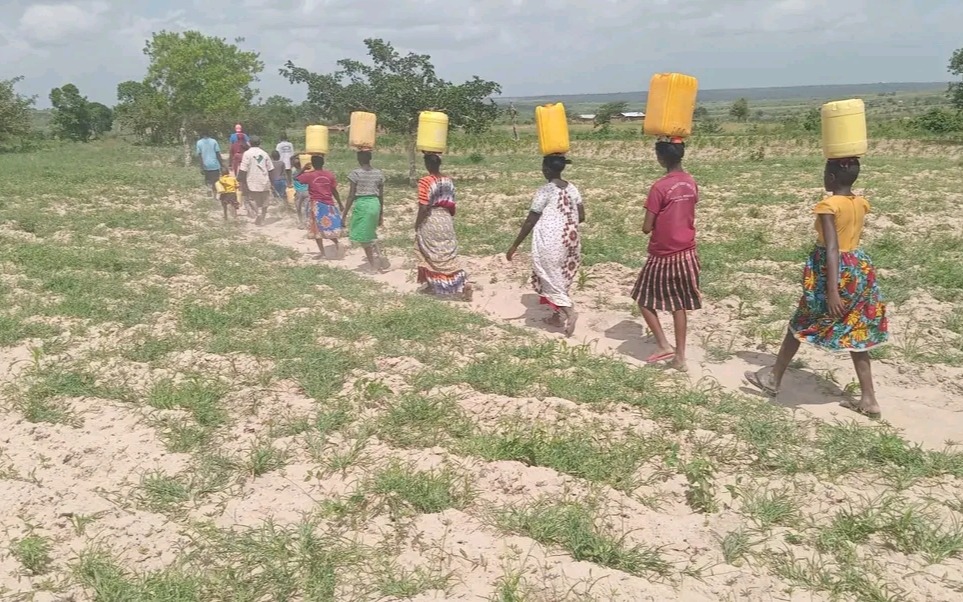
KEHOSA WATER AND REFORESTATION PROJECT: Access to clean, reliable water is a transformative force for villages, particularly in developing regions, acting as a catalyst for improvements in health, education, and economic stability. The installation of water infrastructure—such as boreholes, pipelines, and solar-powered pumps—can turn a community struggling for survival into a self-sufficient, thriving village.
Key ways water transforms a village include:
1. Drastic Improvement in Health and Sanitation
Disease Reduction: Access to clean water eliminates reliance on contaminated sources, significantly reducing waterborne diseases like cholera, typhoid, and diarrhea.
Improved Hygiene: The presence of nearby water allows for better personal hygiene, handwashing, and sanitation, which is vital for preventing infections.
Eradication of Specific Illnesses: In some cases, localized water sources have led to the complete elimination of diseases like trachoma, a leading cause of preventable blindness.
2. Economic Empowerment and Agriculture
Agricultural Growth: Reliable water enables irrigation, allowing villagers to move from rain-dependent farming to growing crops year-round.
Income Generation: Families can sell surplus vegetables, fruits, and livestock products, resulting in higher incomes and economic resilience.
New Small Businesses: The time saved from fetching water can be redirected into new income-generating activities.
Improved Livestock Health: Access to water improves animal health, leading to better production of milk and meat.
3. Education and Empowerment of Women and Children
Reduced Burden on Women: Replacing hours-long, dangerous treks to distant, dirty water sources with a nearby tap frees women to engage in productive economic activities and rest.
Increased School Attendance: Children, especially girls, are often responsible for fetching water. When this burden is removed, they can return to school, breaking the cycle of poverty.
Enhanced Safety: Women and girls are spared from the dangers of long journeys, including the risk of physical violence and assault.
4. Long-Term Sustainability and Community Growth
Climate Resilience: Solar-powered water systems provide a sustainable, low-cost solution that helps communities adapt to climate change and drought.
Community Cohesion: Water projects often involve setting up water management committees, which strengthen local governance and cooperation.
Future Planning: With basic survival needs met, communities can focus on long-term development, such as building better schools and health facilities.
In short, water is a catalyst for hope, turning villages that are "struggling for survival" into communities with "opportunities for a better life".
GET INVOLVED, VOLUNTEER OR DONATE via Kehosa Regenerative Organic Agriculture Center.
Thank you,
Armstrong Ongera,
Trustee & Chairman

Click "Also post on Facebook" when leaving a comment below to help spread this campaign.